When the Sun Went Down: 92 Squadron's Nocturnal War of Patience and Precision
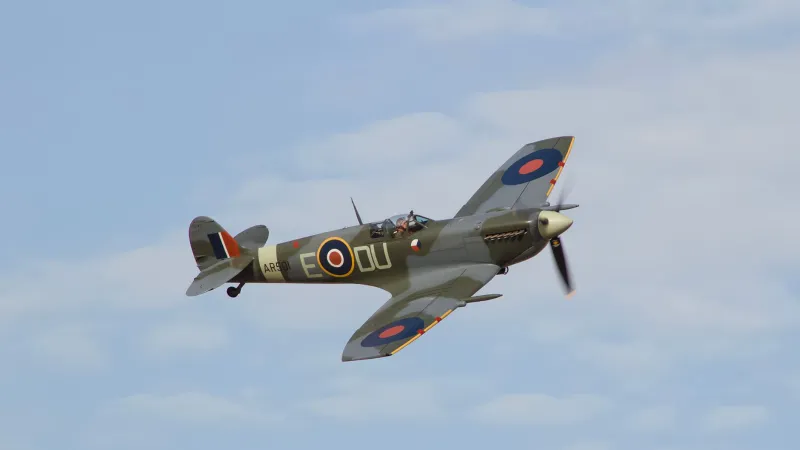
The popular memory of 92 Squadron belongs to the daylight hours: the sun-glittered Channel convoys, the scrambling Spitfires over Kent, the card games in dispersal between sorties. Yet for the men who served in the squadron's later chapters, the war was fought in a very different register — one of blacked-out airfields, instruments read by red lamplight, and interceptions that unfolded over forty minutes of near-total silence.
A Different Kind of Sortie
Day fighting rewarded aggression and quick eyes. Night fighting rewarded something closer to patience — a quality that sat awkwardly with young pilots raised on the mythology of the Blitz. A typical night sortie might involve climbing to 20,000 feet on instructions from a ground controller, throttling back to reduce engine noise, and then waiting. The enemy was not visible. He was a blip, a bearing, a rate of closure murmured into a headset from a controller many miles away.
Logbooks from the period record sorties of extraordinary length by fighter standards — two, sometimes nearly three hours aloft, much of it spent in a slow orbit with no certainty of contact. One veteran, interviewed decades later, described the experience as 'ninety minutes of nothing punctuated by ten seconds of everything.'
The Machinery of Seeing in the Dark
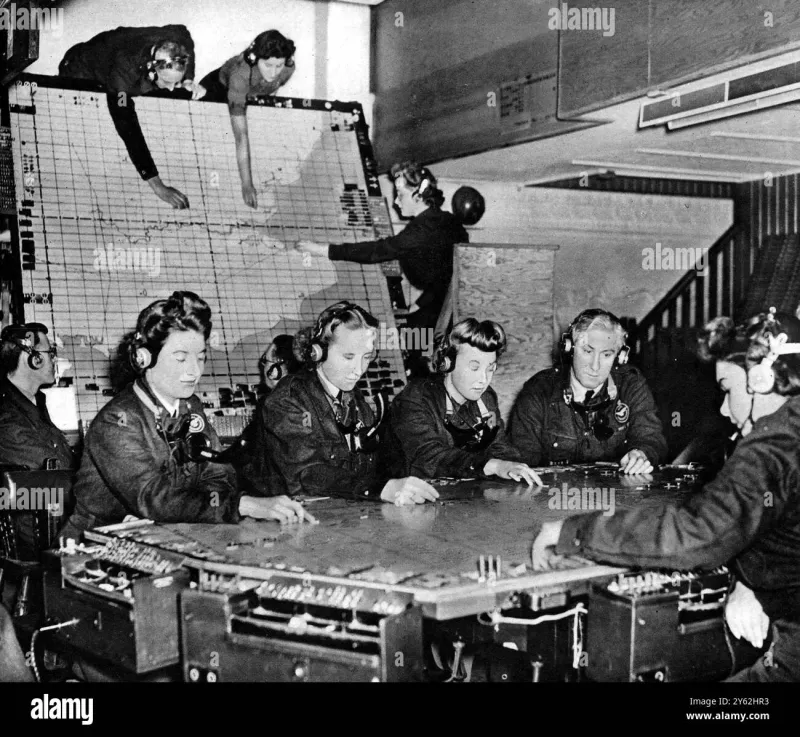
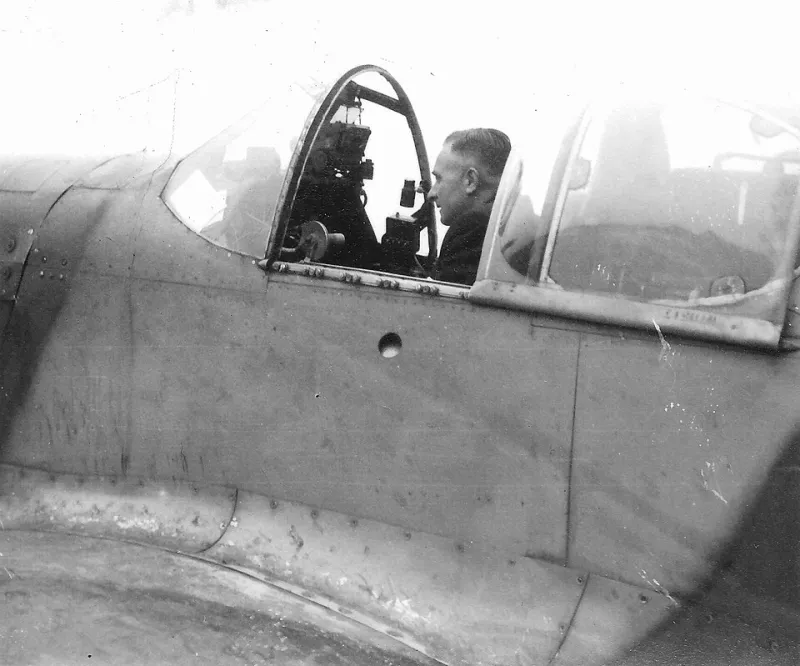
The transition to night operations demanded more than nerve. It required an entirely new technical vocabulary: airborne interception radar, cathode ray tubes glowing green in the cockpit, and the delicate choreography between pilot and observer as they closed on a target neither could see with the naked eye. The final approach to a night bomber was measured in feet, not miles, and the firing solution had to be judged almost entirely by instruments in the last seconds.
This changed the social texture of the squadron too. Where single-seat day fighters bred a certain solitary confidence, night work was inseparable from trust — trust in the controller's voice, in the radar operator's readings, and in the ground crews who prepared aircraft for operations in conditions where a faulty navigation light or a misaligned compass could be fatal.
The Psychology of Waiting
It is tempting to imagine that the danger of night flying lay in combat alone. Veterans' accounts suggest otherwise. The greater strain, many said, was the waiting: the long periods of sensory deprivation, the cold that crept through cockpit seams at altitude, the disorientation of flying on instruments with no horizon for reference. Fatigue became an operational factor in a way daylight squadrons rarely experienced, since the body's natural rhythms were inverted — sleeping by day, flying by night, week after week.
Squadron records and personal correspondence alike hint at how the men adapted. Routine became armour. Pre-flight rituals, careful checklists, and the quiet humour of the mess all served to contain the particular anxiety of operating in darkness.
Why This Chapter Deserves Attention
Heritage writing tends to favour the photogenic: the flypast, the formation, the famous pilot. But the nocturnal record of 92 Squadron tells us something the daylight story cannot — how airmen learned to fight an enemy they could not see, relying on technology and teamwork in equal measure. For the modern visitor standing on a quiet Lincolnshire or Norfolk airfield at dusk, it is perhaps the most resonant part of the squadron's story: the war after dark, fought by men who learned that courage sometimes looks like simply holding a steady course into the black.
The Gambler Boys, it turns out, were as adept at patience as they were at the turn of a card.