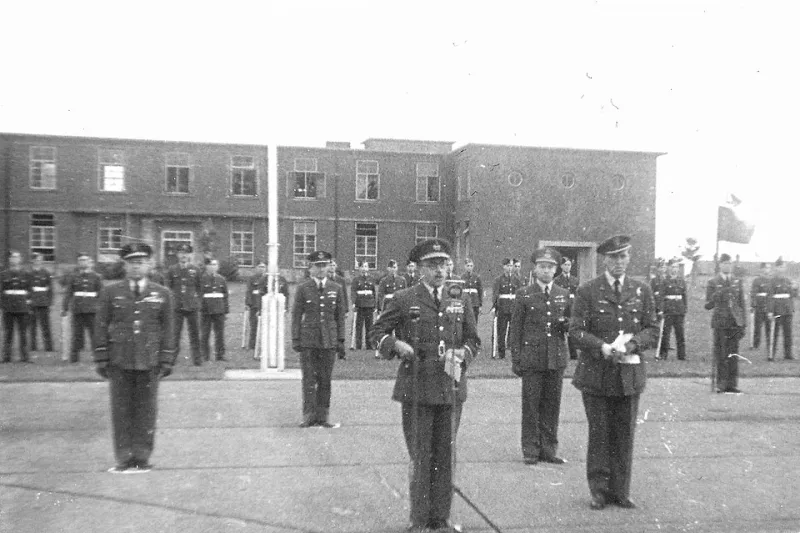
After the Last Spitfire Landing: 92 Squadron and the Jet Age It Never Wanted
There is a particular melancholy in the final chapters of any squadron's propeller era. For 92 Squadron, that ending arrived not with a dramatic farewell over Kent, but with paperwork, conversion courses and the slow, inevitable arrival of the jet. It is a chapter that divides opinion among those who keep the Gambler Boys' memory alive — and it deserves an honest hearing.
The Propeller Legacy
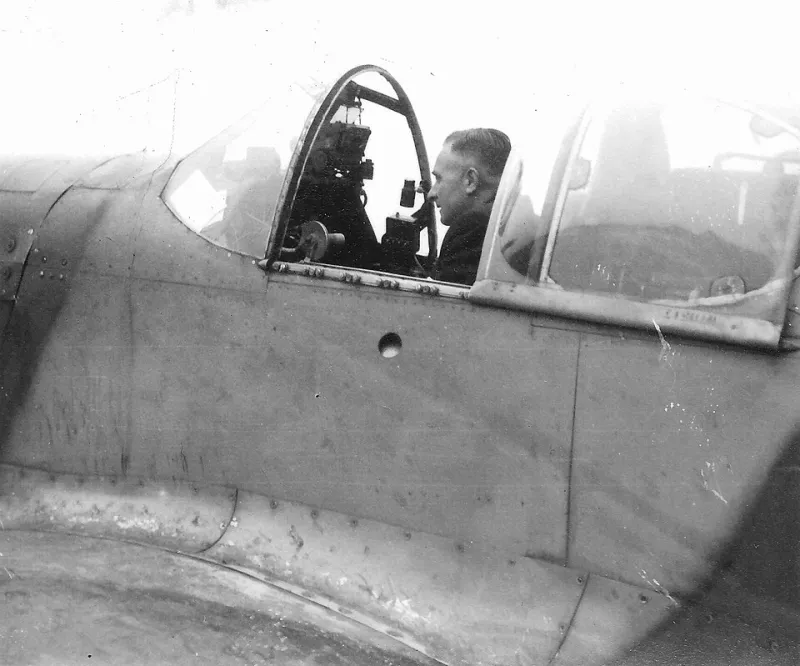
It is easy to understand why the Spitfire years dominate our collective picture of 92 Squadron. The Battle of Britain, the ace of spades on the fuselage, the roll call of names that still resonate at memorials across Kent and Lincolnshire — this is the material from which heritage is made. The squadron's wartime identity was forged in the cockpit of a single-seat fighter whose very silhouette has become shorthand for British resolve.
Yet the squadron did not cease to exist when the war did. It carried on. And that continuation, for some, sits uneasily beside the legend.
Conversion and Discomfort
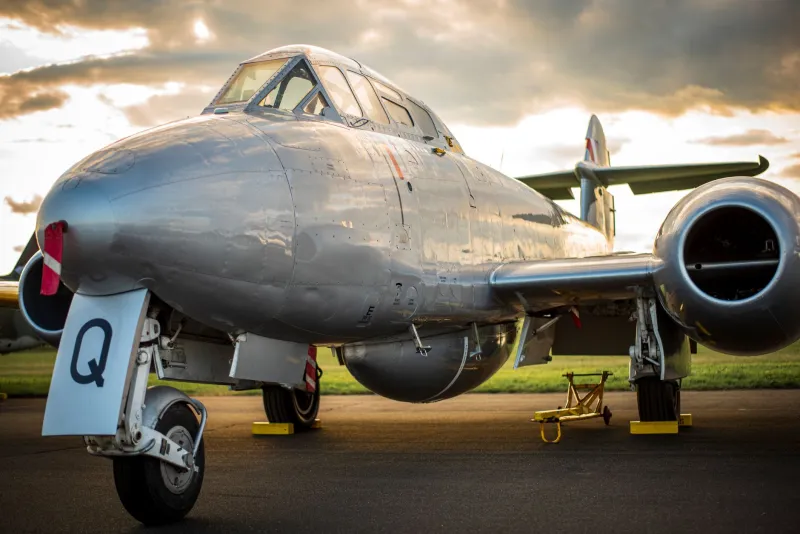
The post-war years brought the Gloster Meteor, and later the Hunter — aircraft of astonishing capability for their time, but machines with which the old hands felt an imperfect kinship. Correspondence held in squadron association papers, and conversations recorded at reunions through the 1950s and beyond, reveal a recurring tension. Was a pilot who had never heard a Merlin still one of the Gambler Boys? Did the playing cards on the nose mean the same thing at 45,000 feet in a swept-wing jet as they had over Croydon?
One veteran, writing to a fellow airman in the early 1960s, put it bluntly: the squadron was 'a good mob, but it isn't ours any more.' Others disagreed, arguing that squadrons are institutions, not airframes — that the men who flew the Hunters carried the same standards, the same pride and, yes, the same taste for a wager at the mess bar.
What Does Heritage Owe?
This is the question that heritage sites such as ours must answer. Do we honour a squadron's whole story, or only its finest hours?
Our view is that the whole story is the only honest one. To remember 92 Squadron solely as a Spitfire outfit is to curate a myth rather than preserve a history. The jet-era airmen kept the number alive; they trained the next generation; they carried the ace of spades into a world the founding generation could scarcely have imagined. Their service was real, and their connection to the wartime legacy — however complicated — was genuine.
At the same time, we should not pretend the transition was seamless. The wistfulness of those veterans is part of the record. It tells us something true about how identity attaches itself to machines, to eras and to shared danger, and how hard it is to hand that identity on.
Keeping the Cards on the Table
When visitors to our exhibitions see a Hunter model displayed beside the Spitfire wreckage and wartime correspondence, the reaction is often surprise. Some assume it is a mistake. It is not. It is a deliberate statement: that the Gambler Boys' story did not end in 1945, and that heritage is richer — truer — for including the awkward chapters alongside the golden ones.
The squadron that got away from its past, in the end, is the squadron that pretends the past stopped when the props stopped turning. 92 Squadron never did, and neither should we.