Brushes Before Take-Off: The Untrained Hands That Painted 92 Squadron's Flying Canvas
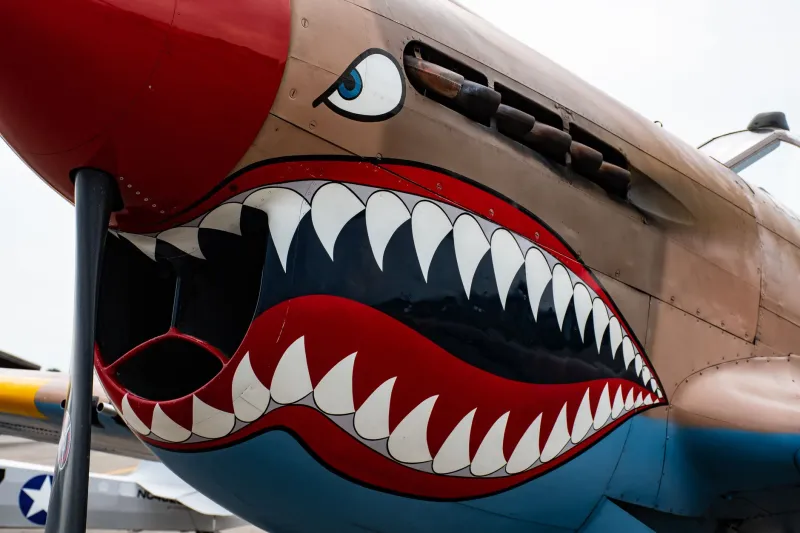
Every squadron had its signallers, its fitters, its armourers. What 92 Squadron had, almost uniquely among the stations of 1940 and beyond, was a small corps of men who could paint.
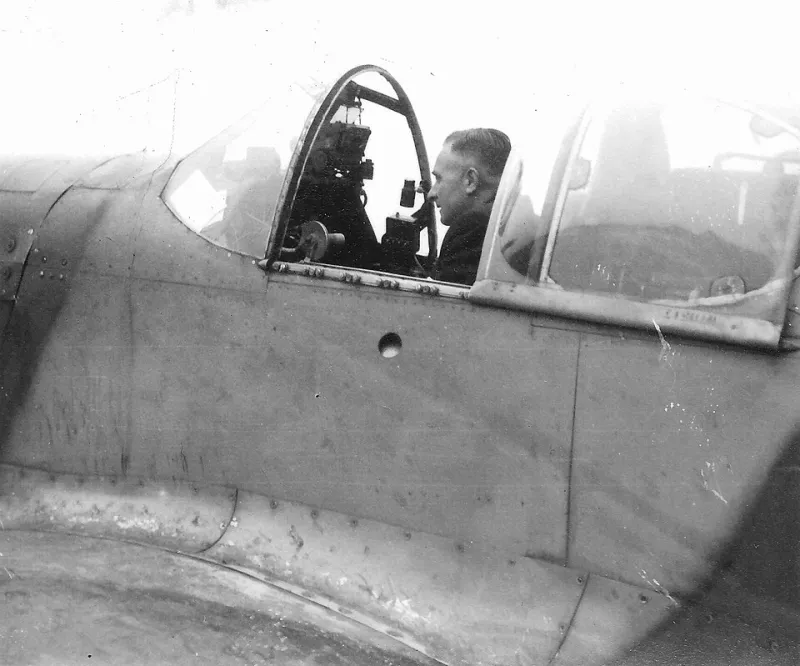
They were not artists by trade. Most had been coach painters, sign writers, or apprentices in the body shops of Birmingham and Coventry before the war called. But when a Spitfire came off charge at Croydon or Biggin Hill with a fresh engine and an unpainted nose, somebody among the riggers and fitters would fetch a pot of dope and a camel-hair brush from the station stores, and the work would begin.
The Gambler's Palette
The squadron's identity was settled early. When 92 re-equipped and re-formed, the playing-card motif — the ace of spades above all — became shorthand for a unit that regarded war, at least outwardly, as a hand of cards to be played with style. The painters took that idea and ran with it.
Cards appeared on cowlings in every conceivable arrangement: fanned aces, stacked decks, a single spade picked out in white against the camouflage green. Some aircraft carried a pilot's personal flourish — a lucky charm, a girlfriend's name in looping script, a reference only the flight understood. The paint came from wherever it could be scrounged: dollops of identification-marking whitewash, leftover roundel blue, a tin of varnish liberated from a civilian garage in Kent.
The work had to be fast. Aircraft were shot down, written off, replaced, and repainted within days. A painter might complete a design on a Monday and see that same machine fail to return on the Thursday. There was no time for sentiment and no time for corrections.
Superstition in Six Coats
Historians of morale have long noted that RAF nose art was never merely decorative. It functioned as a talisman. A pilot who flew behind a hand-painted ace of spades was, in a small way, asserting control over the uncontrollable — and the ground crew who painted it were asserting something too: that the machine was theirs, known, marked, and cared for.
The painters themselves were quietly superstitious about the practice. Certain designs were felt to bring luck; certain colours, borrowed from aircraft that had been lost, were avoided. When a replacement Spitfire arrived, the crew would often reproduce the previous aircraft's markings exactly, letter for letter, as though the artwork itself carried forward the survival of the machine before it.
This was unofficial, technically against station regulations, and tolerated without exception. Station commanders understood what the Air Ministry perhaps did not: that a painted cowling cost nothing and bought immeasurably in cohesion.
Reading the Surviving Airframes
For modern conservators, these markings present both a gift and a problem. Aviation art restorers working on preserved Spitfires in Britain — at Duxford, at Hendon, and in the hangars of private owners — speak of finding traces of squadron artwork under decades of primer and repaint: a ghost of white card pips beneath post-war silver, a name half-sanded away, brushstrokes in a hand that no service record ever noted.
Restoration practice has shifted accordingly. Where once a complete refinishing erased everything, leading conservators now stabilise and reveal what they can, documenting each layer of paint as an archaeological record. A faint spade under six coats of aluminium tells you not just what the aircraft looked like, but who touched it, and when, and with what materials — a wartime paint analysis can distinguish official stores dope from the civilian enamel a painter bought with his own money in a Gravesend ironmonger's.
Several surviving airframes with documented 92 Squadron provenance carry reproductions of their original artwork, applied by specialists using period-correct paints and, where possible, period-correct brushes. The difference, they report, is tangible: modern synthetic brushes leave a crisper edge than the splayed camel-hair the originals would have used, and getting the finish right means understanding that these were not murals but working aircraft, painted in the open, in rain, between raids.
The Unsung Record
What makes these painters remarkable is that none of them signed their work. In an era when the squadron's pilots became household names, the men with the brushes remain anonymous — initials at best in a squadron ledger, a first name in a memoir. Their legacy survives in photographs, in the memories recorded at post-war reunions, and increasingly in the conservation records of the airframes themselves.
They were, in the truest sense, war artists — uncommissioned, untrained, and working at a pace dictated by the enemy. Every ace of spades that flew with 92 Squadron was a small act of defiance: a declaration that even in the hardest months of the war, somebody had time to make a machine beautiful.
That, perhaps, is the most fitting monument. Not a plaque, but a paintbrush stroke, still legible on aluminium eighty years on.