Dealing the Cards at Digby and Beyond: The True Story Behind the Squadron's 'Gambler Boys' Identity
A Name Born of Character
Squadron nicknames in the Royal Air Force were rarely bestowed by committee. They emerged organically — from a joke in the dispersal hut, a habit picked up at a favourite public house, or a reputation earned in the skies over Kent. For 92 Squadron, the moniker 'Gambler Boys' stuck early and never let go, and its origins reveal much about the men who flew under the squadron's code letters.
Stakes on the Ground, Odds in the Air
The most widely told version of the story points to the squadron's pre-war and early-war culture of card games, wagers and high spirits away from the airfield. Fighter pilots of the era lived with a peculiar arithmetic: the odds of survival were uncertain, the future unknowable, and so a certain fatalistic humour took root. Poker, two-up and dice games filled the long hours of standby duty, and 92 Squadron was said to have taken its gaming as seriously as its gunnery.
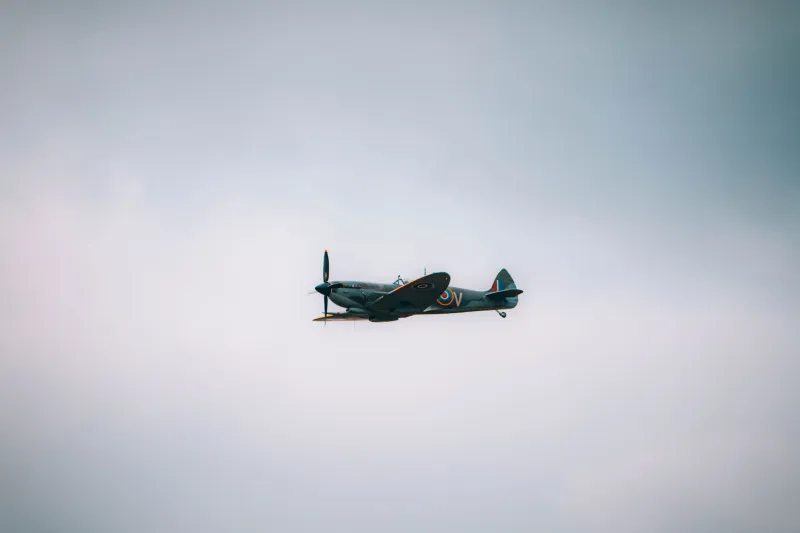
Yet the nickname carried a deeper resonance. To fly a Spitfire in 1940 was itself a gamble — of skill, nerve and luck. The men of 92 Squadron, it was often said, were simply honest enough to acknowledge it. They gambled every time they scrambled, and they did so with a flourish that became part of the squadron's identity.
Voices from the Letters Home
Correspondence preserved in family archives and squadron associations offers glimpses of this character. Pilots wrote of winnings sent home to sweethearts, of debts cheerfully honoured and disputes settled with good humour rather than grievance. One recurring theme in these letters is camaraderie: the card table in the mess was where replacements became comrades, where the newest sergeant pilot might win a round from a flight commander, and where the hierarchy of the RAF briefly flattened itself into equals around a trestle table.
This mattered. Squadrons that fought in the Battle of Britain absorbed heavy losses and equally heavy drafts of new pilots. Rituals — even something as simple as a nightly hand of cards — gave continuity amid constant change. For 92 Squadron, the gambling tradition was a social glue as much as a pastime.
From Folklore to Formal Identity
What began as informal banter soon found its way into official and semi-official channels. Contemporary accounts and post-war histories alike referred to the 'Gambler Boys', and the name became inseparable from the squadron's Battle of Britain record, flying from airfields such as Croydon and Biggin Hill during the critical summer of 1940.
The nickname also reflected a broader truth about squadron culture in the wartime RAF. Units cultivated distinct personalities — the 'Tangmere Wing' swagger, the 'Eagle Squadrons' transatlantic flavour — and these identities buoyed morale in ways that official esprit de corps could not. The Gambler Boys' reputation for dash, humour and a certain stylish recklessness attracted pilots who wanted to be part of something larger than themselves.
Why the Name Endures
More than eight decades on, the Gambler Boys remain a touchstone for military aviation enthusiasts, historians and the families of those who served. The nickname encapsulates something essential about the wartime generation: an ability to face extraordinary danger with levity, to find fellowship in small rituals, and to meet uncertainty without flinching.
At 92 Squadron Heritage, we believe the story of the nickname is, in miniature, the story of the squadron itself — one of personality, perseverance and the quiet bonds formed between young men facing the odds together. It is a story worth keeping on the table, dealt afresh for each new generation of readers who wish to understand what the Few were truly like when the engines had cooled and the cards came out.