Grease Under the Fingernails: The Ground Crew and WAAF Hands Behind Every 92 Squadron Sortie
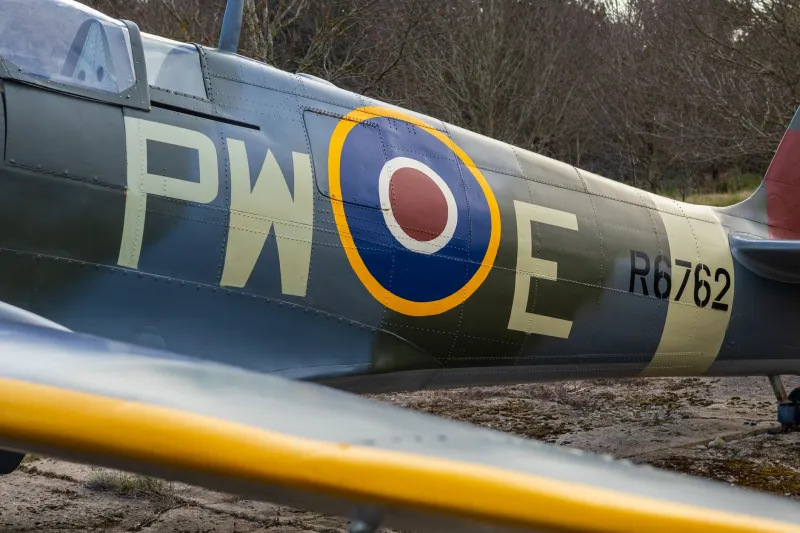
The photograph albums of 92 Squadron are, at first glance, a gallery of young men in sidcaps and life jackets. Look again, and a different story emerges in the margins: a fitter crouched by an open Merlin engine, a rigger pacing the wing with a tension gauge, a WAAF motor transport driver waiting by a crew bus as the dusk patrol taxis out. The squadron's celebrated identity as the 'Gambler Boys' was earned in the air, but it was sustained on the ground — by people whose names rarely reached the operational record books.
The Flight Line Before Dawn
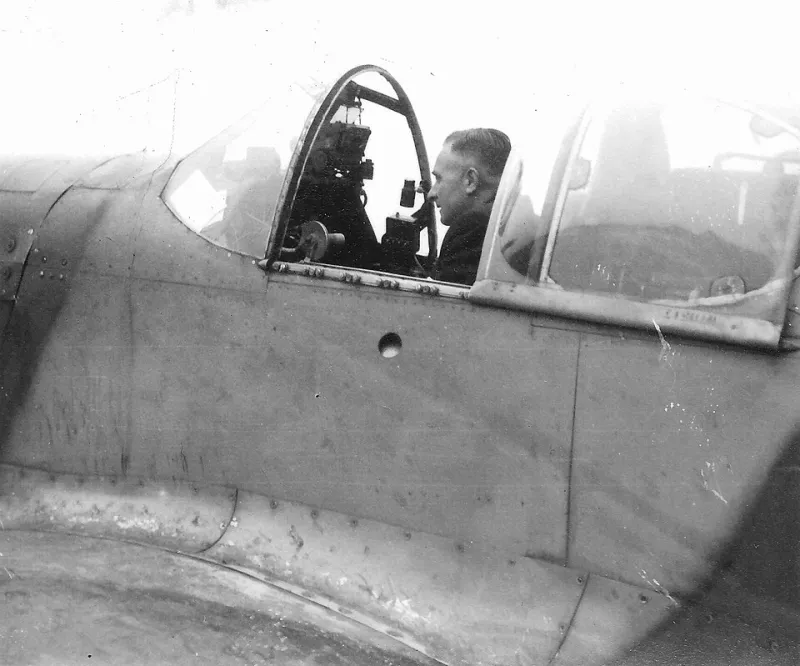
A fighter squadron's day began hours before its pilots stirred. At stations such as Biggin Hill and Digby, ground crews rose in darkness to run up engines, top up glycol and check the guns whose harmonisation could mean the difference between a kill and a wasted burst. A fitter (engines) and a rigger (airframe) were assigned to each aircraft, and the bond between crew and machine was intensely personal. Many airmen spoke of 'their' Spitfire with the affection usually reserved for a colleague.
The work was unglamorous and constant. Hydraulic leaks traced by torchlight. Fabric patches sewn over shrapnel holes before the next dawn readiness. Ammunition belts loaded by hand, round by round, often by WAAF personnel seconded to armament duties as the war progressed.
The WAAF Presence: More Than Support
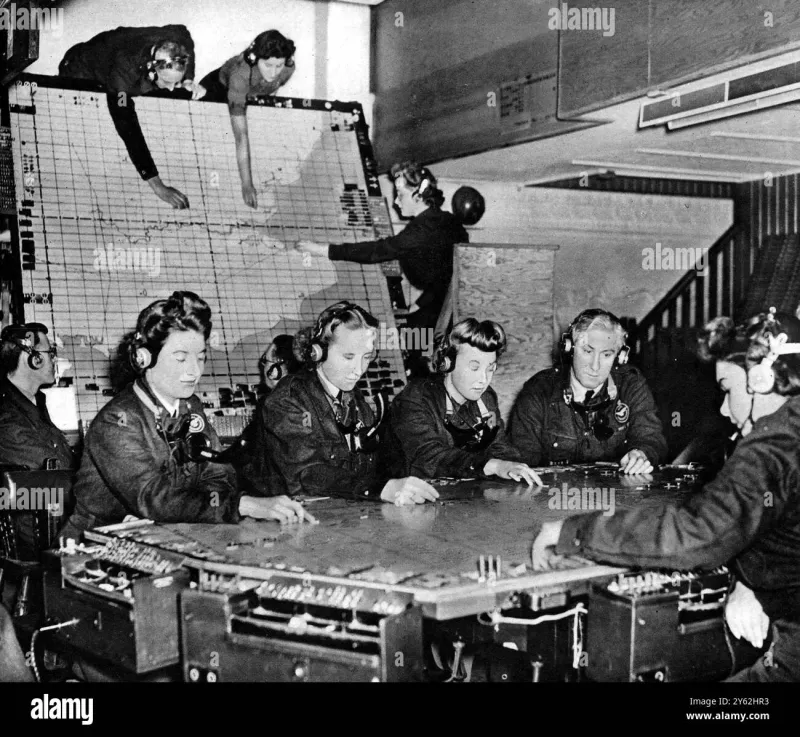
The Women's Auxiliary Air Force is frequently reduced in popular memory to radar plotting and clerical work. Within the fighter station ecosystem, however, WAAF trades expanded steadily from 1941 onwards — MT drivers, equipment assistants, and eventually flight mechanics who worked on airframes under the same rain-soaked conditions as their male counterparts.
For 92 Squadron's story, this matters. The squadron's post-1940 period, including its time in North Africa and Italy, depended on a support structure that grew more integrated with each year. Descendants of WAAF veterans who served alongside the squadron's later postings have contributed photographs and letters to heritage collections, describing women who learned engine work on the job, who cadged lifts on supply runs, and who shared in the station's card games — the same rituals that gave the squadron its nickname.
Reading the Surviving Record
What documentation survives? More than one might expect, though it is scattered. Form 540s (the squadron's operational record books) log sorties but not the labour behind them. The richer material lies in:
- Ground trade musters and service records, held at the National Archives, which identify individual fitters and riggers by name and trade
- Station photographic collections, many digitised through county archives and the IWM, where ground crew appear in candid frames
- Oral history recordings and family papers, increasingly donated as descendants clear attics and find paybooks, photographs and tool rolls
Each source is partial. Together, they sketch a workforce of hundreds attached, directly or indirectly, to a squadron remembered for its few dozen pilots.
A Broader Definition of the Squadron Family
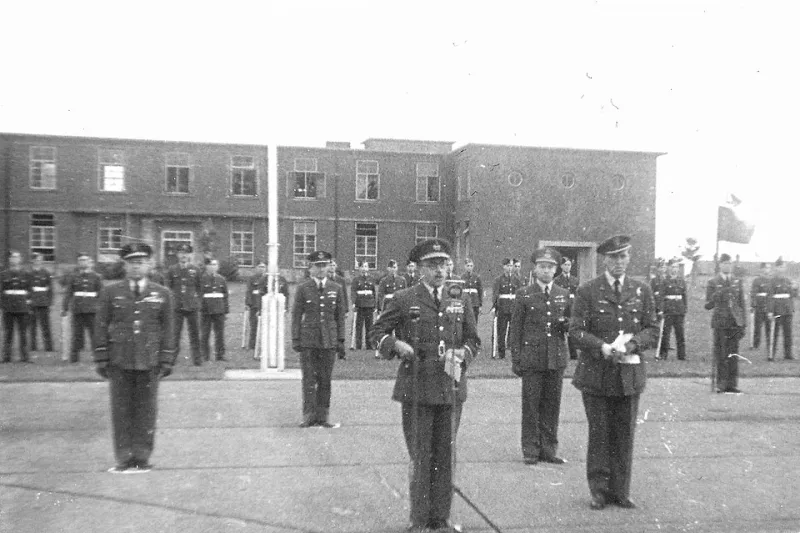
Heritage commemoration has matured considerably in recent decades. The memorial boards at former airfield sites increasingly acknowledge ground staff alongside aircrew, and second-generation family historians are more likely to research a grandfather who was a fitter than to assume the family story belongs to a pilot.
This reframing is not a correction so much as a completion. The Gambler Boys took their chances in the sky; the men and women of the ground crews took theirs in the open, on concrete aprons, under bombing and strafing, with no combat report to justify their hours. Honouring 92 Squadron properly means honouring all of them — and, where possible, recording their names before the last photographs fade.