Ration Books and Waiting Rooms: The Women Who Held 92 Squadron Together
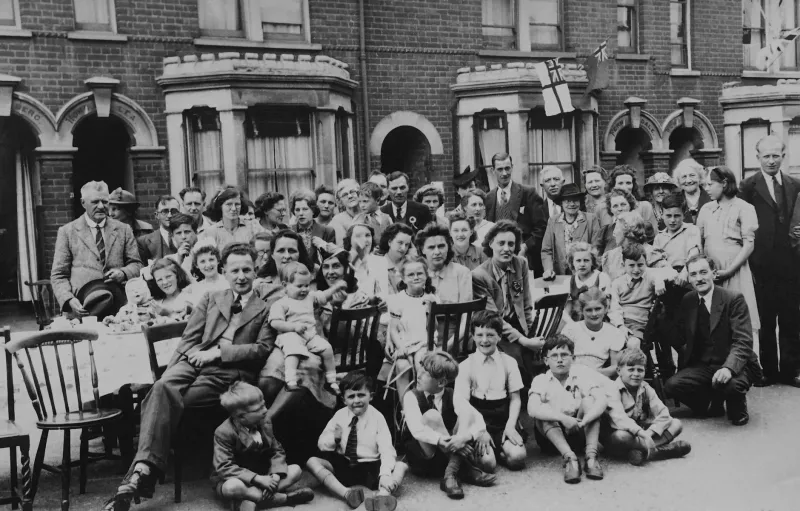
The history of 92 Squadron has, for the most part, been written in the masculine vocabulary of the airfield: scrambles, claims, circuits and landings. Yet the squadron's war was sustained as much in kitchens in Lincolnshire and Kent as it was over the Channel. The women who waited — wives, mothers, fiancées and the sweethearts whose photographs travelled inside leather flying helmets — form a quieter chapter of the Gambler Boys' story, and one that deserves its own telling.
The Ration-Book Tea
Wartime domesticity was an exercise in improvisation. The National Loaf, powdered egg and the eternal two ounces of tea per person per week framed every household table, and the women connected to 92 Squadron were no exception. Contemporary features in magazines such as Woman's Own and Picture Post urged wives of serving airmen to become 'experts in making something from nothing', and letters held in the Imperial War Museum's collections suggest they took the advice to heart.
When airmen came home on forty-eight-hour leave, the welcome they received was often a small triumph of bookkeeping: a cake stretched with dried fruit hoarded over weeks, a precious tin of salmon saved for the occasion. One Kent wife, writing to her husband at Biggin Hill in 1941, described a Sunday tea of sandwiches, mock cream and 'the good cups' — a detail that says more about love under austerity than any official history could.
Telegrams Dreaded and Delayed
For every family, the war was governed by the postman and, in the worst hours, the telegram boy. The Ministry of Information's guidance was blunt: telegrams reporting airmen 'missing' were to be treated with hope, since many pilots came down injured, captured or hiding in occupied territory. Families learned to live in the gap between silence and certainty.
Local newspapers in Lincolnshire — the Grantham Journal among them — and the Kentish press carried regular casualty lists, and 92 Squadron's name appeared more than once during the Battle of Britain and the years that followed. Mothers scanned these columns before the official letter arrived. Some wives wrote to squadron adjutants directly; the replies, where they survive, are models of careful, compassionate officialdom, offering 'no news is not necessarily bad news' with a formality that somehow still consoles.
Gatherings at the Station Gate
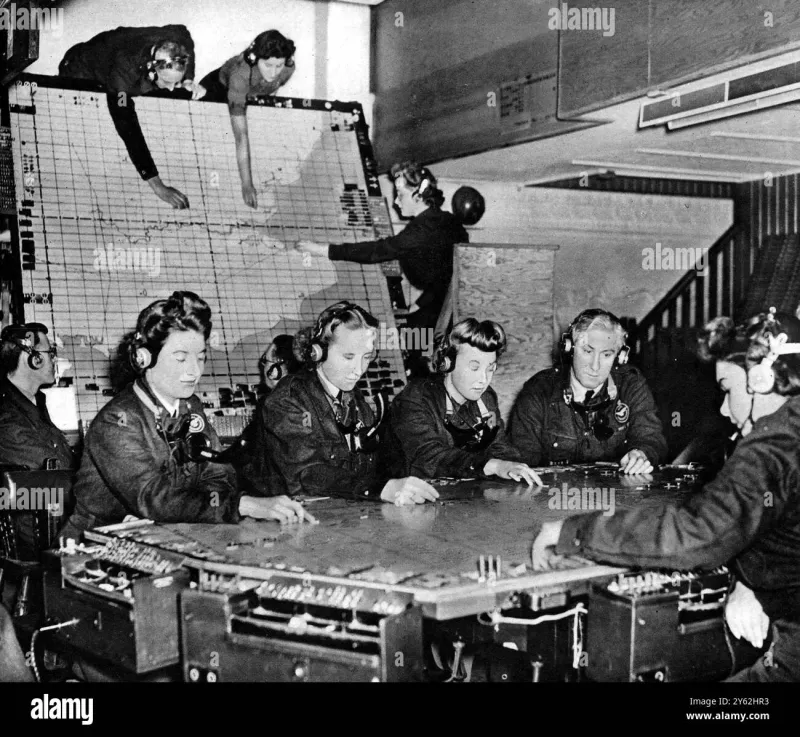
At Biggin Hill, and earlier at Digby and Croydon, the station gate became an informal news exchange. Women cycled or queued for buses with ration books in hand, trading what they had heard. Ground staff, constrained by security, developed a vocabulary of reassurance: a nod, a mentioned name, a suggestion to 'wait for the letter'. The Women's Auxiliary Air Force personnel who worked the teleprinter rooms were often the first to know, and the discretion they maintained under pressure is one of the war's less celebrated disciplines.
The wartime press noted these vigils with a gentle hand. Photographs of wives outside Kentish airfields appeared under headlines about 'the waiting ones', a phrase that risks sentimentality but captures something real: the war of the home front was a war of patience.
From Wartime Waiting to Post-War Welcome
What is striking, looking back, is how the waiting turned into organising. When 92 Squadron's veterans began holding reunions after 1945, it was overwhelmingly the wives and widows who ran the machinery — typing circulars, booking hotel function rooms, keeping address lists in exercise books. Post-war reports in local papers describe annual dinners where the 'ladies' committee' was credited, almost in passing, with the event's very existence.
Widows remained part of that world. They attended dinners wearing their husbands' squadron ties, laid wreaths at memorial services, and corrected the anecdotes of younger men who had got the story slightly wrong. In doing so they became custodians of the squadron's memory — the keepers of the detail that never made it into the official record.
Why Their Story Matters
Heritage is not only about aircraft and combat reports. The Gambler identity of 92 Squadron — the cards, the flair, the acceptance of chance — was lived against a backdrop of households that gambled every day on the return of the men they loved. To understand the squadron fully, we must understand the ration-book teas, the delayed telegrams and the women who stood at the gates.
The next time you read a veteran's memoir or attend a reunion, spare a thought for the exercise books of addresses kept by the wives, and the widows who kept coming, decade after decade. They held the home fires burning; it is no exaggeration to say they held the squadron spirit burning too.