The Weight of the Wing: Command, Chance and the Arithmetic of 92 Squadron
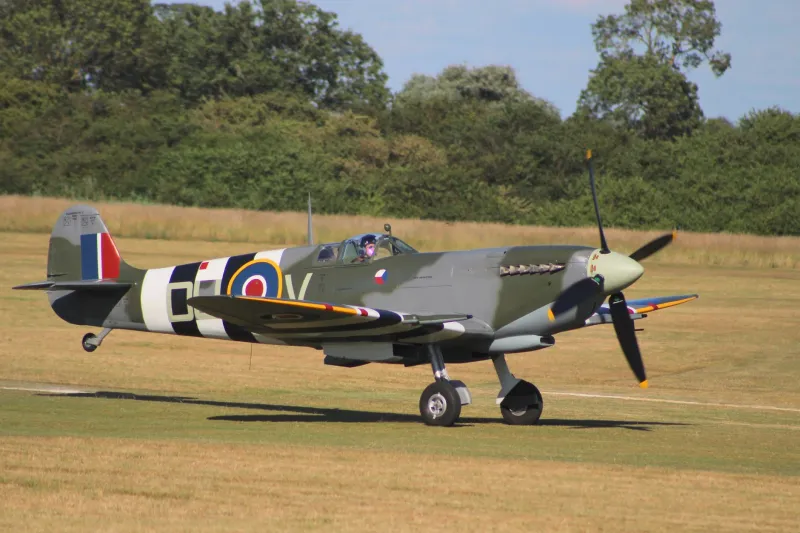
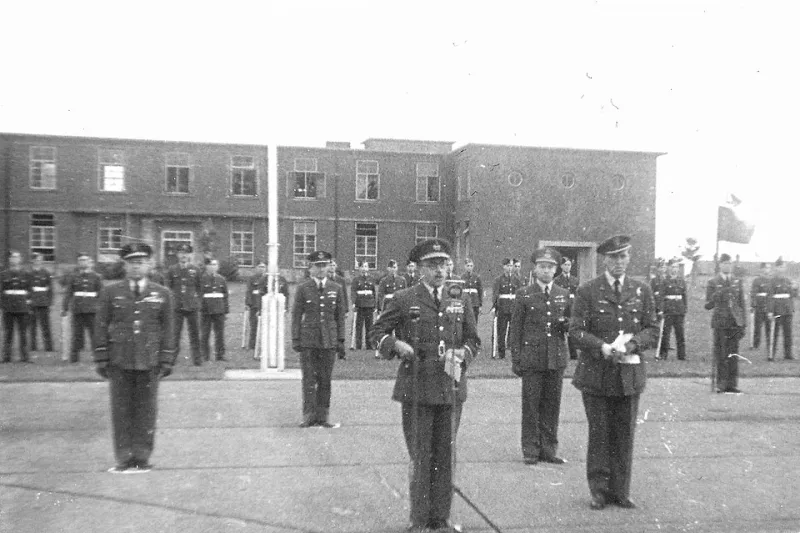
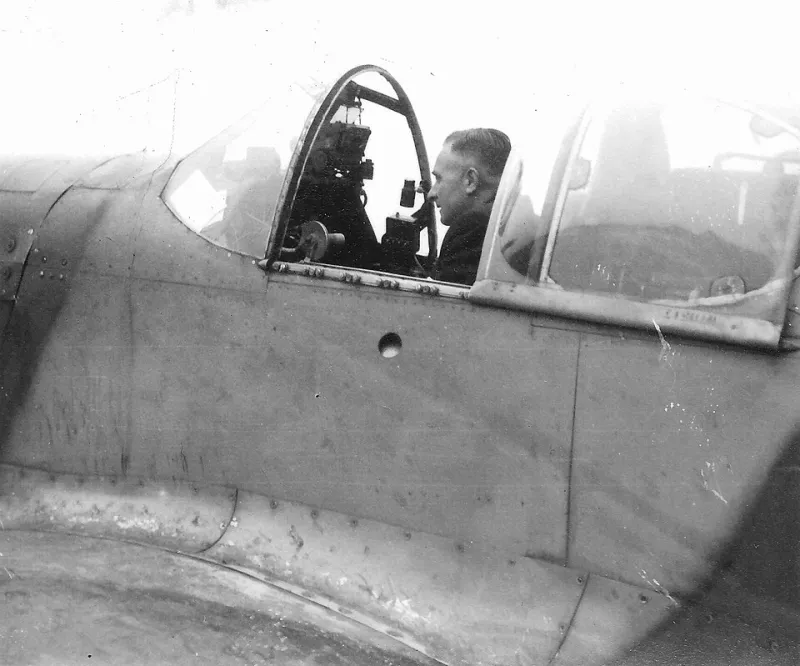
There is a particular loneliness to command that rarely features in the memoirs. The pilots of 92 Squadron wrote warmly of one another — of the card games, the practical jokes, the shared certainty that youth was a kind of armour. Their commanding officers wrote of something else entirely: rotation figures, fatigue reports, and the quiet, daily calculation of how many operational sorties a man could fly before the odds caught up with him.
The Ledger Nobody Wanted to Keep
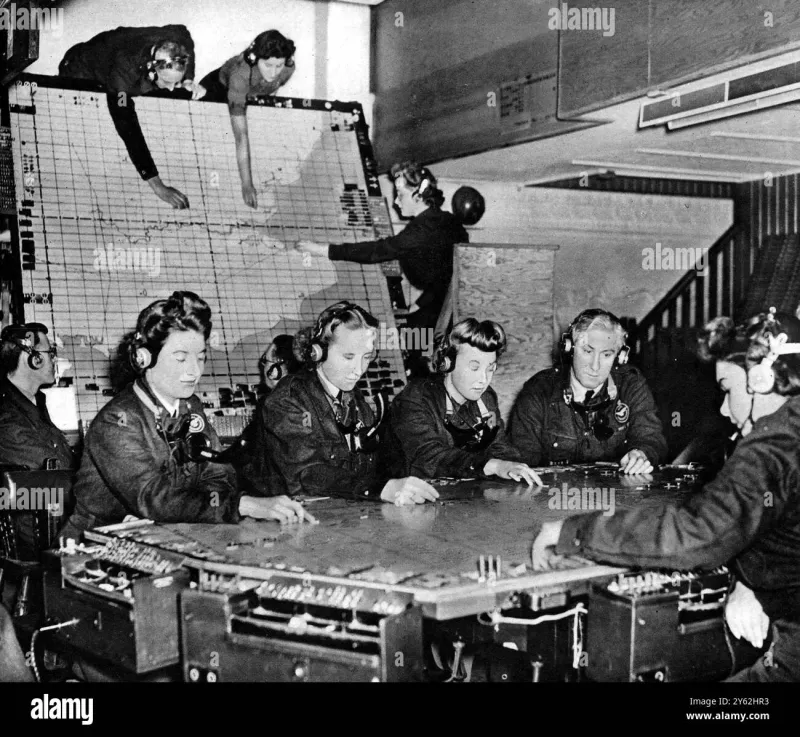
By the autumn of 1940, the mathematics of fighter command had become brutally simple. A squadron leader at Biggin Hill knew, roughly, the attrition rate per sortie, the average number of combats a pilot survived before being killed, captured or posted away, and the point at which exhaustion began to erode the reflexes that kept a Spitfire alive over Kent. None of this appeared on any official form. It lived instead in the heads of men who had to sign the flying orders each morning.
The squadron's celebrated gambler persona — the ace of spades, the card schools in the mess, the studied insouciance — was in part a morale instrument, and morale was itself a command resource. A squadron that believed in its own luck flew harder, tighter, closer. A squadron that brooded hesitated, and hesitation over the Channel was fatal. Commanding officers therefore had a stake in the mythology they were helping to write.
Camaraderie as Currency
What makes the 92 Squadron story so compelling for the modern reader is that camaraderie and casualty figures were not opposing forces. They were the same currency, spent differently. The officer who sat down at the poker table with his pilots was not merely relaxing; he was reading them. Who laughed too loudly. Who had stopped laughing. Who was flying on the edge of his judgement and needed a quiet word, a fortnight's leave, or — in the cruelest cases — to be grounded against his will.
Contemporary leadership writing would call this emotional intelligence. In 1940 it was simply survival management, learned on the job by men barely older than those they commanded. Squadron commanders in their mid-twenties were making decisions about human endurance with no manual to consult, guided by instinct, precedent and the example of the CO before them.
Sending Tired Men Back Up
The hardest judgement, then as now, was the rotation problem. Battle of Britain squadrons were being worked to destruction; pilots were frequently flying three, four, sometimes five sorties a day. A commanding officer who withdrew a fatigued pilot protected one man and weakened the squadron's cover at a moment when every pair of eyes over Kent mattered. A CO who flew a man past his limit preserved the formation and gambled with a life — and with the morale of everyone who watched it happen.
There is no evidence that 92 Squadron's leaders found a formula. What the record suggests, instead, is a culture in which command was exercised personally rather than procedurally. Pilots were known individually. The mess, the card table, the dispersal hut — these were the instruments of oversight as much as the intelligence debrief.
What the Modern Reader Should Take From It
It is tempting to draw tidy management lessons from the wartime experience, and most of them are false. But one observation does hold: the best of these young commanders understood that morale is not the opposite of honesty. Telling a tired pilot he was off the roster was not a kindness that undermined the fighting spirit; it was the fighting spirit, applied inwards.
The Gambler legend endures because it captures something true about 92 Squadron — the acceptance of risk, the refusal to dwell. But the quieter heritage is the command culture beneath it: men who understood that looking after your people and pressing the attack were never really separate orders. That, more than any single victory, is the standard the squadron's story sets for those who lead today.