A Heritage Day Out: Where to Encounter 92 Squadron's Spitfire Story Across Britain
Planning Your Pilgrimage
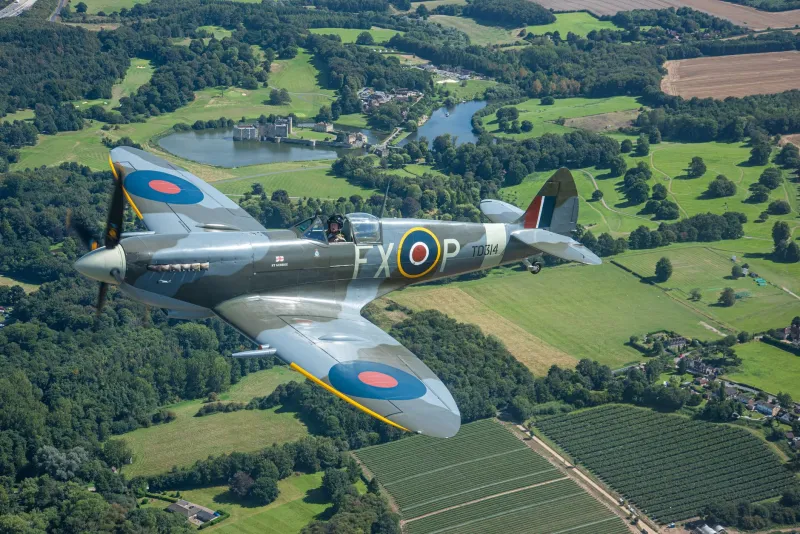
For those drawn to the story of the Gambler Boys, there is a particular satisfaction in standing where they stood — on a grass airfield in Kent, beneath a restored Spitfire's elliptical wings, or before a memorial stone worn smooth by decades of remembrance. Britain preserves this legacy across a scatter of sites, and with a little planning, a weekend can weave several into a single journey.
1. Kent: The Battle of Britain Landscape
No tour of 92 Squadron heritage is complete without Kent. The county's wartime airfields — including Croydon's surviving structures and the sites around Biggin Hill — formed the operational backdrop to the squadron's most famous hours in the summer of 1940. Biggin Hill Heritage Hangar, home to a working collection of airworthy Spitfires and Hurricanes, offers guided tours that place visitors within arm's reach of the very aircraft type flown by the Gambler Boys. Check tour availability in advance, as sessions fill quickly during the summer season.
Nearby, the Kent Battle of Britain Museum at Hawkinge holds an exceptional collection of recovered artefacts and personal effects, offering intimate context for the pilots' daily lives.
2. The Imperial War Museum, London and Duxford
IWM Duxford remains the benchmark for aviation heritage in the United Kingdom. Its AirSpace hangar displays Spitfires alongside the broader story of Fighter Command, and Duxford's regular airshows frequently feature the Mk I and Mk V variants most associated with 92 Squadron's wartime service. Allow a full day; the American Air Museum and Conservation in Action hangar reward unhurried exploration.
In the capital, the IWM London provides archival context — photographs, uniforms and personal accounts — useful for visitors wishing to deepen their understanding before travelling to the airfield sites themselves.
3. The Battle of Britain Memorial, Capel-le-Ferne
Perched above the Channel between Folkestone and Dover, the national memorial at Capel-le-Ferne commemorates the pilots of the Battle of Britain, including those of 92 Squadron. The Christopher Foxley-Norris Memorial Wall lists the names of the Few, and the site's replica Spitfire and Hurricane make for striking photographs against the sea horizon. Entry is free, with a small charge for the visitor centre's Scramble Experience. Pair it with a drive along the nearby wartime airfield sites for a resonant half-day.
4. Shuttleworth Collection, Bedfordshire
For a different flavour of heritage, the Shuttleworth Collection at Old Warden offers something rare: aircraft flown in period conditions from a grass aerodrome largely unchanged since the 1930s. On flying days, seeing a Spitfire rise from turf rather than tarmac evokes the experience of early-war pilots in a way no static display can. The Edwardian pageant atmosphere and lovely Bedfordshire countryside make it an excellent family addition to a heritage itinerary.
5. Local Memorials and Church Records
Finally, do not overlook the smaller, quieter tributes. Parish churches across Kent, Sussex and beyond hold rolls of honour, memorial windows and plaques dedicated to individual pilots, including men who flew with 92 Squadron. The Commonwealth War Graves Commission's online database is an invaluable tool for locating graves and commemorations near your route, turning an afternoon drive into a personal act of remembrance.
Practical Notes for Visitors
Most of the sites above are best visited between late spring and early autumn, when flying displays and extended opening hours coincide. Book airshow tickets and hangar tours in advance, wear sturdy footwear for grass airfields, and check individual websites for the latest opening arrangements. Wherever your journey takes you, each stop offers a tangible thread back to the Gambler Boys — and a reminder of why their story continues to draw visitors from across Britain and beyond.